
A water tote looks like a simple solution until it fills after a storm and you still have no clear way to use the water. Start with the roof area you can collect from, the rainfall patterns where you live, and the space available for storage. Those three details shape a system that is useful through dry spells, not just impressive after a downpour.
Begin With Collection And Use
Measure the roof sections that drain toward a usable downspout, then note where water currently flows during rain. Keep the collection point close to the garden or other intended use when practical; moving stored water uphill or across a long distance adds work and may require a pump. A simple rain gauge and a notebook can help you compare what falls with what your garden actually needs.
Decide what the water is for before selecting storage. Water for irrigation has different treatment needs from water intended for drinking, and rainwater should not be assumed safe to drink without appropriate treatment and testing. Check local requirements and consider roof materials, nearby contamination sources, and how the system will be maintained.
Choose Storage For The Site
A tank’s listed capacity matters less if it cannot fit through the gate, sit on a stable base, or connect to your downspout. Compare the footprint, inlet and outlet placement, access for cleaning, and whether the container is suitable for its intended use. An opaque, covered container can help limit light and keep debris and animals out, but it still needs inspection and maintenance.
Before buying a tank, filter, or first-flush diverter, check that each part matches the pipe size and layout you already have. Recommendations on this site may include affiliate links, which can earn Unplotted Life a commission at no extra cost to you. The useful question is not which component has the most features; it is which one fits your collection point, storage plan, and upkeep routine.
Make The First Setup Manageable
A small, well-maintained system is a sensible place to begin. Keep the tank stable, secure the inlet against debris, and make a habit of checking fittings after heavy rain. Once you know how much water you collect and use, you can decide whether added storage or filtration would solve a real problem.

- Pack size: Pack of 24, 500mL (16.9 Fl Oz) bottles of FIJI Water
- Everyday hydration: Our most popular item, the 500mL bottle, is the perfect grab-and-go size
- Double Electrolytes: FIJI Water has more than double the electrolytes as the top premium bottled water brands for a soft…
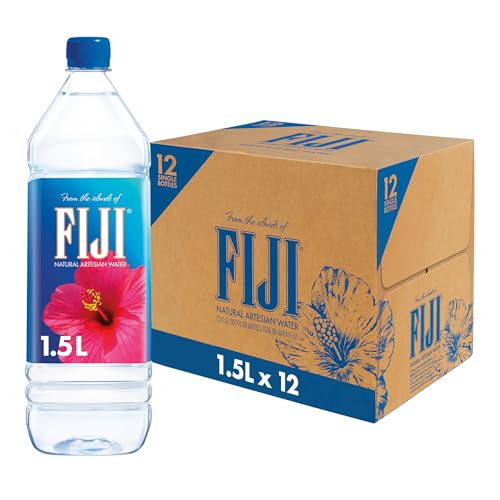
- Pack size: Pack of 12, 1.5L (50.7 Fl Oz) bottles of FIJI Water
- Everyday hydration: The 1.5L bottle is the largest of the FIJI line, perfect for on-the-go hydration throughout the day,…
- Double Electrolytes: FIJI Water has more than double the electrolytes as the top premium bottled water brands for a soft…